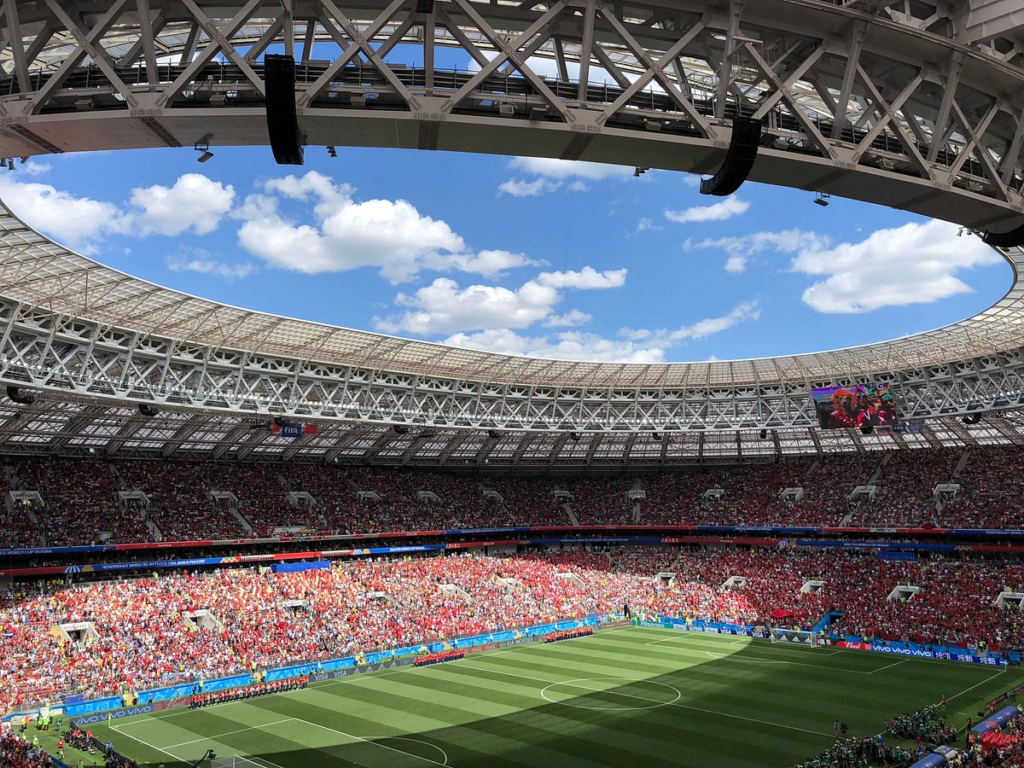
The following is a summary of information from Xoilac TV https://www.barpleiades.com/ about the History of Luzhniki Stadium, detailing its transformation from a Soviet dream into a world-class arena for football fans and athletes alike. Luzhniki Stadium stands as a monumental symbol of Russian sportsmanship and architectural evolution. From its inauguration in the mid-1950s to its role as the centerpiece of the 2018 FIFA World Cup, this venue has witnessed countless historic moments.
The Remarkable Architectural History of Luzhniki Stadium
The Genesis of a Soviet Sporting Icon
The origins of this grand arena date back to the early 1950s when the Soviet Union decided to elevate its status in the international sporting world. Following their successful debut at the 1952 Olympic Games, the USSR leadership recognized the need for a massive, modern sports complex. In 1954, the government approved the design for what was then known as the Central Lenin Stadium.
Construction was a feat of Soviet engineering, completed in a staggering 450 days. Thousands of workers and volunteers labored to transform a swampy area of Moscow into a sporting hub. When it opened on July 31, 1956, it was the pride of the nation, boasting a capacity of over 100,000 spectators. During this early period, the History of Luzhniki Stadium was defined by national pride and the “Spartakiads,” which were massive multi-sport events that showcased the athletic prowess of the various Soviet republics.
Major Milestones in the History of Luzhniki Stadium
As the decades passed, the stadium evolved from a national venue into a global landmark. It hosted the World Festival of Youth and Students and numerous world championships in athletics, ice hockey, and even speed skating. However, two specific events stand out as defining chapters in its long timeline.
The 1980 Summer Olympics
The 1980 Summer Olympics served as the stadium’s first major introduction to the global stage. It served as the primary venue for the opening and closing ceremonies, as well as the athletics competitions. This era saw the stadium undergo significant technical upgrades to meet Olympic standards. The image of “Misha” the bear, the Olympic mascot, floating into the Moscow sky from the stadium turf remains one of the most poignant moments in the History of Luzhniki Stadium. Despite the political boycotts of the era, the venue proved its capability to host the world’s largest sporting event.
The 2008 UEFA Champions League Final
By the late 1990s and early 2000s, the stadium had undergone further modernization, including the installation of a permanent roof to protect fans from the harsh Russian elements. In 2008, it hosted the first-ever all-English Champions League final between Manchester United and Chelsea. The rainy night in Moscow saw Manchester United claim the trophy after a dramatic penalty shootout. This event proved that the venue could handle the highest level of European club football, solidifying its reputation as an elite UEFA Category 4 stadium.
Read more on Xoilac TV https://www.barpleiades.com/lich-thi-dau/
Modern Transformation for the 2018 FIFA World Cup
The most significant physical change in the History of Luzhniki Stadium occurred between 2013 and 2017. To prepare for the 2018 FIFA World Cup, the stadium was essentially hollowed out and rebuilt from the inside. While the historic facade and the iconic roof were preserved to maintain its classic silhouette, the interior was completely reimagined to provide a better viewing experience.
The athletics track was removed to bring fans closer to the pitch, creating a much more intimate and intense football atmosphere. The capacity was adjusted to 81,000, and the stands were converted into two tiers. Technological upgrades included the installation of a state-of-the-art hybrid grass pitch and modern media facilities. This renovation ensured that the stadium would not only host the opening match but also the prestigious final, where France eventually defeated Croatia to claim the world title.
Conclusion
Reflecting on the History of Luzhniki Stadium reveals a narrative of resilience, grandeur, and passion. As the heart of Russian football, it has successfully transitioned through different political eras and technological shifts. Whether it was the cheers of the 1956 Spartakiad or the global fanfare of the 2018 World Cup Final, this venue remains an architectural masterpiece. Understanding the Luzhniki Stadium allows fans to appreciate the deep-rooted cultural significance of one of Europe’s most iconic sporting cathedrals, ensuring its legacy continues to inspire future generations of athletes and football enthusiasts worldwide.