
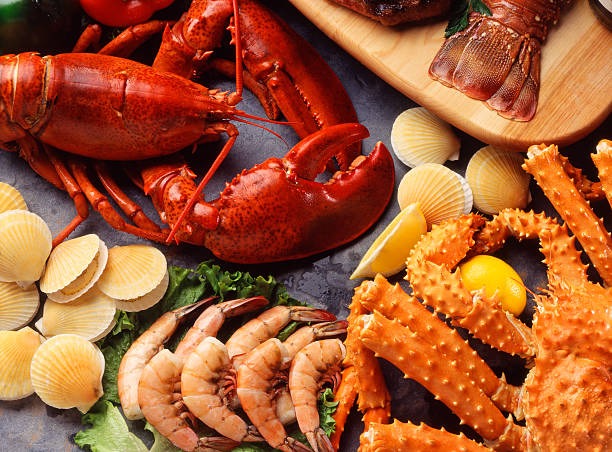
Lay out all your ingredients and tools, and roll up your sleeves for the hands-on experience. Among these trends, the ocean to plate has increasingly attracted the curiosity of today’s food travelers all over the world. It’s a way to trace your meal back to the source, and know where every fish on your plate comes from.
The Appeal of Freshness and Quality
One of the primary reasons the ocean to plate dining experience is trending is the unparalleled freshness it offers. Seafood served shortly after harvest retains optimal flavor, texture, and nutritional value. For modern food travellers who value high-quality ingredients, this immediacy enhances the dining experience.
Restaurants and seafood tours that celebrate ocean-to-plate dining now regularly feature live or freshly caught fish, lobsters and shellfish. Diners are able to see the fish being harvested, handled and prepared with care and respect, increasing their appreciation for the food and the journey it takes. The focus on quality and freshness is one of the major reasons for this trend.
Sustainability and Ethical Sourcing
Sustainability is yet another key driver that has brought the ocean to the plate in dining experiences. Today’s travelers are more ethical and eco-conscious in their eating habits, the report stated. Through the direct sourcing of seafood from local fishermen or sustainable certified producers, restaurants can ensure freshness and responsible sourcing.
This strategy not only supports local fishermen, but also promotes sustainability in the industry. For a lot of people, the knowledge that their meal was harvested in an environmentally friendly way makes it taste better and fit with their lifestyle.
Experiential Dining
Modern travellers are no longer content with simply eating a meal—they want to experience it. The ocean to plate dining experience transforms seafood consumption into an immersive journey. Guests may participate in activities such as visiting local fish markets, watching live lobster handling, or even joining a fishing excursion before enjoying their meal.
This experiential aspect allows diners to connect with the process of food production, deepening their appreciation for the skills and knowledge involved. For food travellers seeking memorable and Instagram-worthy experiences, these immersive elements make ocean-to-plate dining particularly appealing.
Connection to Local Culture
Another reason this trend has gained momentum is the cultural connection it fosters. Seafood is often central to coastal communities, representing local traditions, history, and culinary techniques. Through an ocean to plate dining experience, travellers gain insight into regional fishing practices, preparation methods, and community life.
This cultural immersion adds depth to the dining experience, turning a simple meal into a storytelling opportunity. Travellers leave not only with satisfied palates but also with a richer understanding of the local way of life.
Transparency and Trust
Transparency is increasingly valued by food travellers. The ocean to plate dining experience provides clear visibility into where the seafood comes from and how it is handled. Guests can see the journey from ocean harvest to preparation, building trust in the quality and safety of their meal.
This transparency also empowers diners to make informed choices, whether prioritizing sustainability, freshness, or specific species. In a world where consumers are more conscious about their food, the ability to trace the source of a meal adds significant value.
Marketing and Social Appeal
The rise of social media has further fueled the popularity of ocean-to-plate experiences. Diners enjoy sharing photos and stories of freshly caught seafood prepared on-site, highlighting both the culinary and experiential aspects. Restaurants that offer this experience often benefit from organic promotion as guests document their journey, attracting more travellers seeking similar adventures.
Conclusion
The experience of eating from ocean to plate has become a mainstay among contemporary food tourists, as it combines freshness and sustainability with immersion, cultural connection and transparency. These experiences are catering to a rising need for authenticity, ethical sourcing and unique encounters with food by giving consumers the opportunity to watch food’s journey from farm to fork.
With travelers increasingly interested in dining that is meaningful and responsible, ocean-to-plate experiences will no doubt continue to thrive. They combine culinary excellence, a commitment to ethical practice, and the immersive storytelling that makes every meal not just an occasion to dine but a holistic experience.
For the contemporary gourmets, tracing the provenance of their seafood, taking part in the journey and eating the freshest catch means dining is elevated to an ever-changing and fascinating experience. Ocean-to-plate dining is not just a trend—it is a representation of the adapting tastes of modern-day global, food-conscious travellers.