
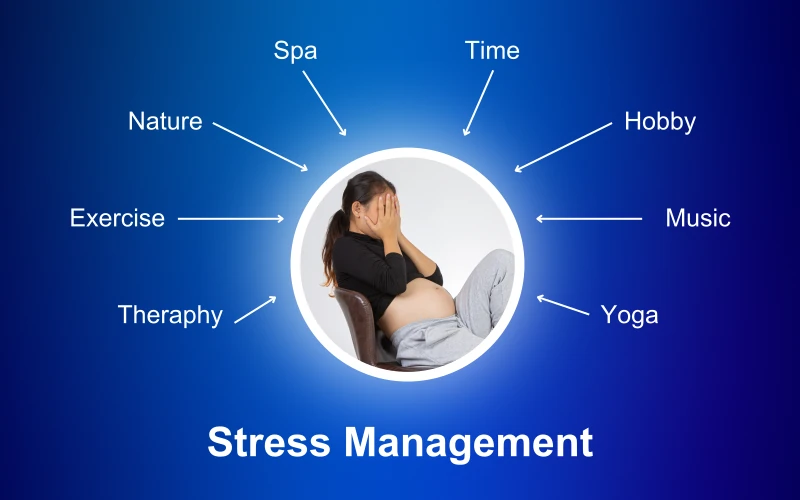
Online anxiety therapy offers a practical and accessible solution for individuals seeking professional support without the need to visit a clinic. It delivers mental health care through internet platforms, allowing users to connect with licensed therapists from the comfort of their own space. This approach can include various treatment methods, such as cognitive-behavioral therapy (CBT), which helps identify and change negative thought patterns linked to anxiety.
The most effective online therapy for anxiety combines quality care, affordability, and ease of access to offer timely support tailored to individual needs. Many platforms provide additional options like medication management and accept insurance, making therapy more affordable. With growing demand and advancements, online therapy continues to bridge gaps in traditional mental health services.
People looking for alternatives to in-person treatment will find online anxiety therapy a flexible option that fits varied schedules and preferences. Licensed therapists guide clients through evidence-based techniques to manage symptoms, making it a reliable resource for ongoing mental health support.
Understanding Anxiety Therapy Online
Anxiety therapy online offers accessible, professional support designed to address symptoms of anxiety from any location. Various therapeutic methods and benefits make this approach flexible for diverse patient needs and schedules.
What Is Online Anxiety Therapy
Online anxiety therapy involves counseling sessions conducted via digital platforms such as video calls, phone calls, or chats. Licensed therapists provide personalized treatment focused on managing symptoms like stress, panic, excessive worry, and overthinking.
This approach removes geographical barriers and can be scheduled more flexibly than traditional therapy. It also maintains confidentiality and offers access to specialized professionals across regions, including those in Canada and beyond.
Benefits of Virtual Therapy for Anxiety
Virtual therapy enables clients to receive care from home, reducing travel and time constraints. It suits busy lifestyles and allows people who might feel stigmatized by in-person visits to seek help discreetly.
Other benefits include immediate access to licensed therapists and reduced wait times. Many platforms allow free consultations, helping individuals select a therapist who fits their specific needs. Insurance acceptance and affordable pricing options are increasingly common among providers.
Types of Therapies Available Online
Several evidence-based therapy types are offered online to treat anxiety. Cognitive Behavioral Therapy (CBT) is the most common, focusing on identifying and changing negative thought patterns.
Other approaches include Exposure Therapy, which helps reduce avoidance behaviors, and Mindfulness-Based Therapies that teach relaxation and present-moment awareness. Some platforms also provide medication management in combination with therapy, where appropriate. This variety allows treatment to be tailored to individual symptoms and preferences.
How to Choose the Right Online Anxiety Therapy
Selecting an effective online anxiety therapy requires assessing specific features to match individual needs. Key points include evaluating therapist qualifications, platform security, and cost structures. Accessibility also plays a critical role in finding a sustainable and supportive therapeutic environment.
Factors to Consider When Selecting an Online Therapist
Therapist credentials are essential; look for licensed professionals experienced in anxiety treatment. Many platforms provide bios, certifications, and therapeutic approaches, such as cognitive-behavioral therapy (CBT) or medication management. Compatibility matters—patients should feel comfortable with communication style and availability.
Check if the therapist offers tailored treatment plans, regular progress tracking, and the option for medication prescriptions if needed. Reviews and trial sessions can help evaluate the fit. Verification that the provider adheres to clinical guidelines for anxiety offers added assurance of quality care.
Security and Privacy in Digital Therapy
Secure platforms protect personal and health information through encryption and compliance with privacy laws like HIPAA. Users should verify that video calls, messaging, and records are encrypted end-to-end.
Clear privacy policies outlining data use, storage duration, and third-party sharing are crucial. Platforms with automatic session logs or secure deletion options provide additional transparency. Avoid services lacking transparent security practices to safeguard sensitive mental health data.
Cost and Accessibility
Costs vary greatly; some platforms accept insurance, offer sliding scales, or monthly subscription plans. Fee transparency before starting therapy is important to avoid unexpected charges.
Accessibility includes session scheduling flexibility, availability of multiple communication methods (video, chat, phone), and mobile app usability. International users should confirm time zone alignment and language support. Affordable, convenient options increase the likelihood of consistent engagement.